





Indoor plant styling services sit somewhere between interior design and horticultural consultancy – and knowing what you are actually paying for makes the difference between a genuinely useful engagement and an expensive shopping trip. This guide covers what a professional plant stylist does, what a realistic budget looks like, and how to decide whether hiring one is the right call for your space.
What an indoor plant styling service actually involves
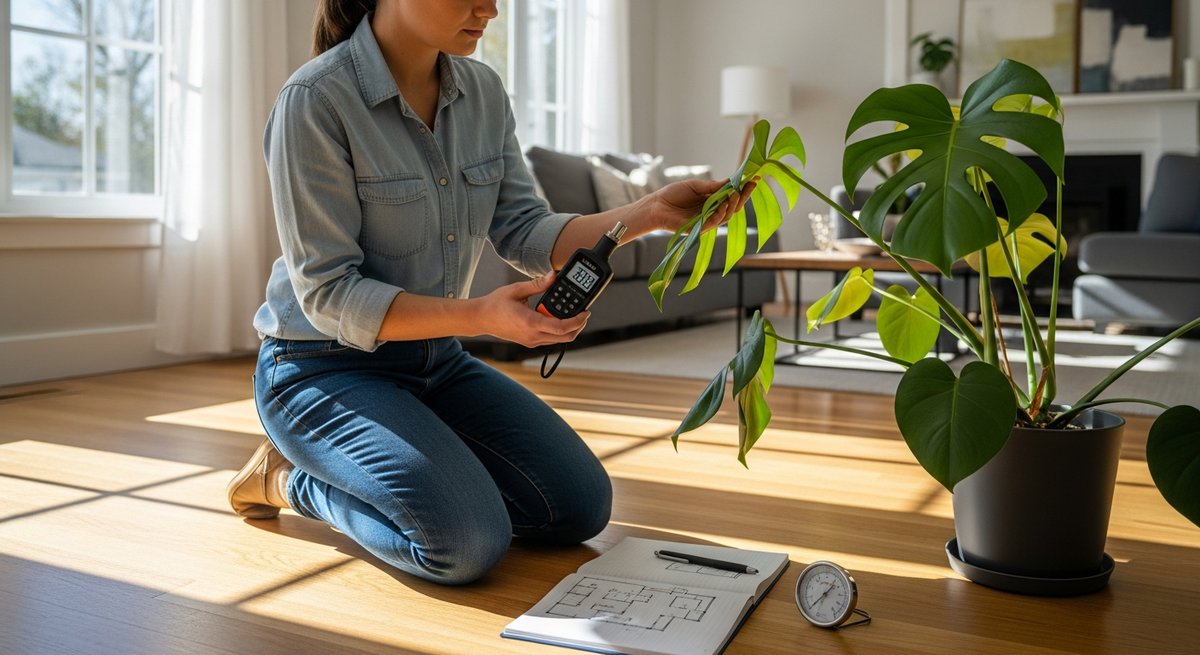
A professional plant stylist assesses your interior environment before recommending a single specimen. Light levels (measured in foot-candles or lux), humidity, airflow patterns, and floor-plan circulation all shape which plants will thrive versus which will decline within six months. The Royal Horticultural Society notes that most houseplant failures trace back to unsuitable growing conditions rather than poor care, which is precisely why environment-first assessment matters.
A standard residential service typically unfolds in three stages: an initial consultation (on-site or video), a written placement proposal with named species and pot specifications, and a delivery or installation visit. Some stylists include a follow-up health check at four to eight weeks; others charge for it separately. Make sure you know which model you are booking before signing anything.
The written proposal is worth scrutinising. A credible stylist names species to genus and species level – Ficus lyrata, not “fiddle-leaf fig” – specifies pot diameter in centimetres or inches, and states the light requirement in measurable terms. Vague language (“statement plant for your corner”) is a signal that the proposal lacks horticultural grounding.
The difference between a plant stylist and an interior plant designer
These terms overlap but are not identical. An interior plant designer typically works at a larger commercial scale – office atriums, retail environments, hotel lobbies – and may hold qualifications in landscape architecture or interior design alongside horticultural training. A plant stylist more commonly focuses on residential spaces and may come from a retail plant background, floristry, or interior decorating.
For a home project, the practical question is not the job title but the competence evidence: can they cite the light requirements for the species they are recommending? Do they understand the difference between a north-facing window in January and a south-facing one in July? Can they explain what biophilic design principles they are applying and why? These are fair questions to ask at the consultation stage.
Biophilic interior design – the practice of incorporating natural elements to support human wellbeing – has a growing evidence base. A 2015 report by the World Green Building Council linked exposure to nature within work environments to measurable productivity gains, and separate research published in the journal HortScience (2009, Lohr) found that interior plants reduced self-reported stress in office participants. A good plant stylist should be able to articulate these principles without overselling them.
How much does plant styling cost in 2025?
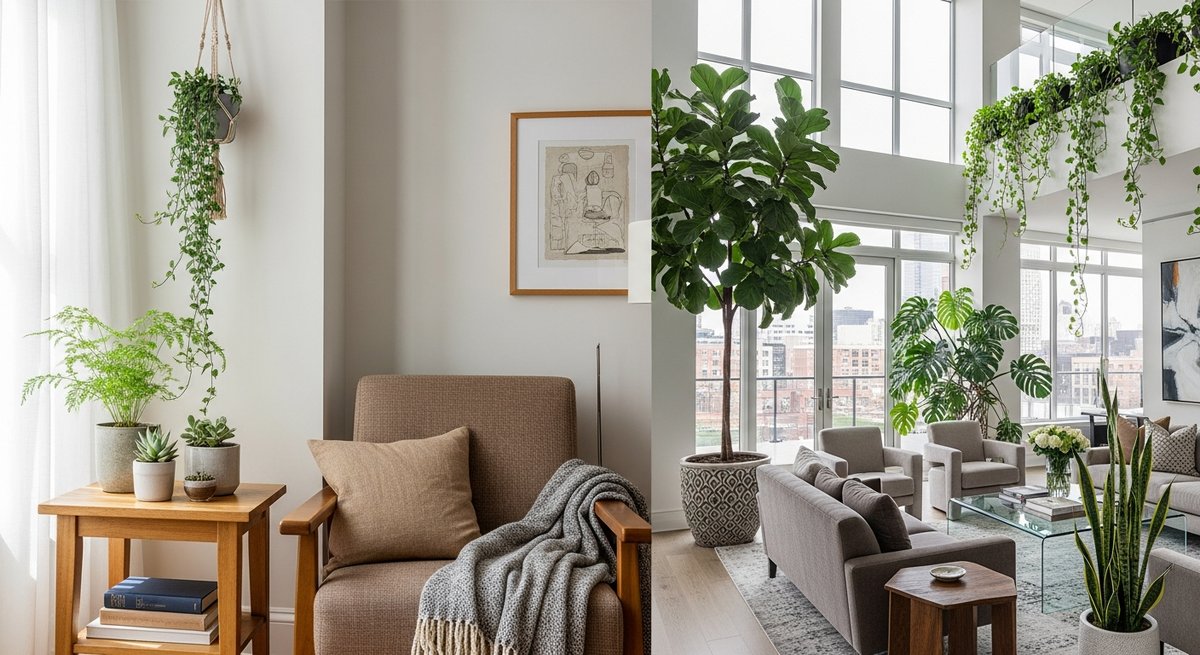
Pricing varies significantly by geography, project scale, and the stylist’s experience level. The figures below are drawn from publicly listed rates and industry surveys across the UK and US markets as of early 2025.
| Service tier | Typical scope | UK price range | US price range |
|---|---|---|---|
| Virtual consultation only | 60-90 min video call, written plant list | £75 – £150 | $90 – $200 |
| On-site consultation + proposal | Site visit, light assessment, written placement plan | £200 – £450 | $250 – $550 |
| Full styling service (supply and install) | All above + plants, pots, installation | £600 – £2,500+ | $800 – $3,500+ |
| Ongoing plant maintenance retainer | Monthly or quarterly visits, watering, feeding, repotting | £60 – £120/visit | $80 – $180/visit |
Plants and containers are usually priced separately from the labour, and this is where budgets can expand quickly. A mature Ficus lyrata in a 30 cm (12 in) nursery pot retails at £50 to £90 in the UK and $60 to $120 in the US; a designer ceramic planter to match can cost as much again. Ask stylists to itemise plant costs, pot costs, and labour costs in separate line items so you can make informed substitutions if needed.
What drives the price variation?
Three factors account for most of the difference between a £200 quote and a £1,500 one. First, the stylist’s sourcing network: professionals with wholesale nursery accounts can supply specimen-grade plants that are simply not available in retail, but they may mark them up by 30 to 60 percent over their cost price. This is standard practice and worth asking about directly. Second, the complexity of the proposal: a single-room project with predictable light is faster to plan than a multi-level open-plan flat with skylights, north-facing bathrooms, and a client with young children and a cat. Third, the stylist’s track record: designers with published editorial credits or commercial installation portfolios typically charge at the upper end of each tier.
Is a virtual plant consultant a viable option?

For many residential projects, yes. A video consultation allows the stylist to assess light using photos taken at different times of day, review your existing plant stock, and produce a detailed placement plan without a travel fee. The limitation is that a screen cannot replicate a lux meter or a feel for the room’s air movement. If your space has unusual proportions, structural quirks, or you are dealing with persistent plant failures, an on-site visit is worth the additional cost.
Some stylists offer a hybrid model: a virtual consultation first to establish scope and species selection, followed by a shorter on-site installation visit. This can reduce overall fees by 20 to 30 percent compared with a fully on-site service. If your budget is constrained, ask whether this is available before assuming the only options are all-virtual or all-in-person.
How to prepare for your consultation
The more information you provide upfront, the more targeted your stylist’s recommendations will be. Before the appointment, photograph each room you want to address at three times of day: 8 am, 12 pm, and 4 pm. Note whether each window faces north, south, east, or west – a compass app on any smartphone will confirm this accurately. If you have existing plants, note which are thriving and which are struggling; this tells the stylist more about your actual care habits and microclimate than any verbal description.
Be specific about constraints. Pets, children under five, and allergy sensitivities all affect species selection. If you have cats or dogs, ask the stylist to confirm that every recommended plant is listed as non-toxic by the ASPCA (aspca.org/pet-care/animal-poison-control/toxic-and-non-toxic-plants). This is a reasonable professional expectation, not an unusual request.
You should also be honest about how much time you can realistically commit to plant care each week. If you travel regularly, say so. A stylist who recommends Calathea ornata (which requires consistently high humidity and careful watering) to someone who is away two weeks per month has not listened to the brief.
DIY versus professional: when to hire and when to do it yourself
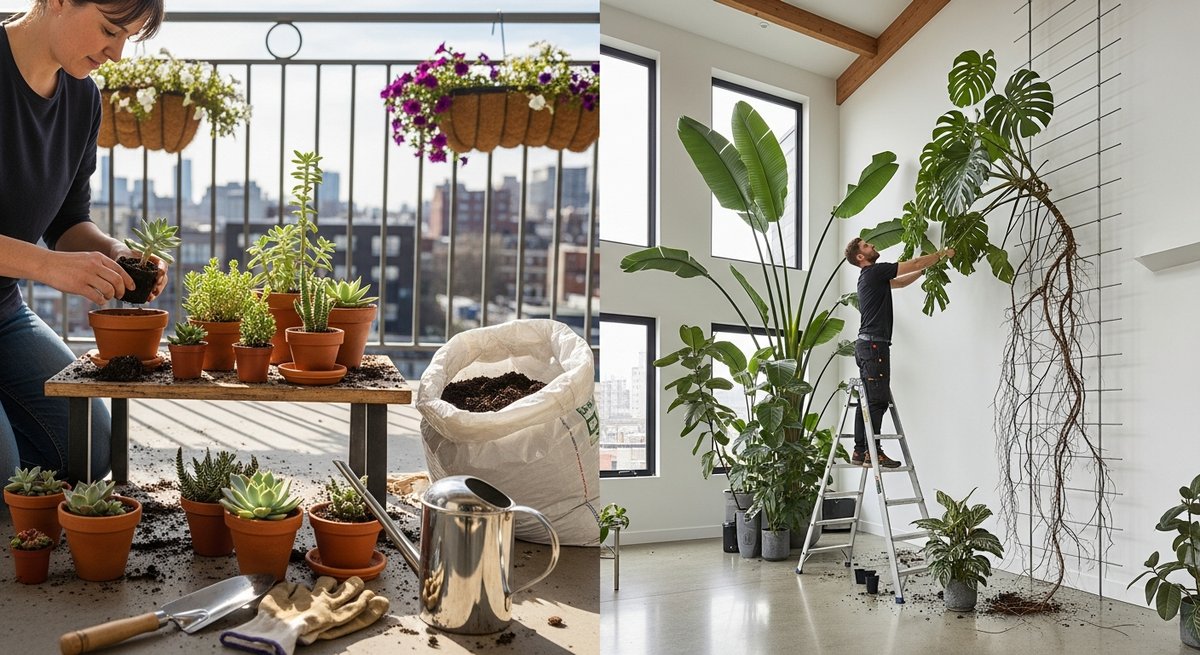
A professional service is most worthwhile when the project is large in scale (more than five or six specimens across multiple rooms), when you have experienced repeated unexplained plant losses, or when the space has unusual light or humidity challenges. It is also worth considering if the interior already has significant investment in furniture and finishes and you want plants to complement rather than clash with the existing palette.
If you are styling one or two rooms and your conditions are reasonably standard, a thoughtful DIY approach guided by solid reference material will serve you well. Our guides on mixing and matching indoor plants for a stylish look and creative ideas for showcasing indoor plants in your living room cover plant selection and placement decisions in practical detail. For broader inspiration on integrating plants across seasons and room types, how to use plants to enhance your seasonal decor is a useful starting point for building a cohesive scheme without professional fees.
Red flags to watch for when hiring a plant stylist
Walk away from any stylist who cannot name the light requirements of their recommended species in measurable terms – “bright indirect light” is a starting point, but a professional should be able to define that as 1,000 to 2,000 foot-candles (approximately 10,000 to 20,000 lux). Be cautious if the proposal does not include a maintenance guidance document: every species placement should come with a watering frequency (keyed to soil moisture, not a calendar), a feeding schedule, and a repotting trigger (typically when roots emerge from the drainage holes or the plant becomes top-heavy).
Also be wary of stylists who source exclusively from the same two or three suppliers without explanation. A professional network should include specialist growers, not just the same wholesale catalogue that supplies garden centres. If they cannot tell you where a specimen was grown, they likely cannot tell you much about its acclimatisation history either – and an unacclimatised plant moved into a bright dry living room from a humid greenhouse will drop leaves within weeks.
Questions to ask before you book
- Can you provide a portfolio with species names, not just photographs?
- Are plant costs itemised separately from your design fee?
- What is your policy if a recommended plant fails within three months of installation?
- Do you confirm ASPCA non-toxicity for every species if I have pets?
- Is a follow-up health check included, and if not, what does it cost?
- Can you provide a light assessment using a lux meter or calibrated tool, not just a visual estimate?
Frequently asked questions
Costs and what is included
Is a plant styling consultation fee refunded if I proceed with the full service?
This varies by practice. Some stylists apply the consultation fee as a credit against a full installation booking; others treat it as a standalone charge. Always ask before committing, and get the arrangement confirmed in writing.
Do I need to buy the plants through the stylist, or can I source them myself?
Most stylists prefer to source plants themselves so they can control quality and acclimatisation. Some will work with plants you already own or source independently, but may charge a separate assessment fee to inspect them. Discuss this at the consultation stage.
Are ongoing maintenance visits worth the cost?
For a large or complex installation, yes – particularly in the first six months while plants adjust to their new environment. A professional can identify early signs of root rot, pest activity, or nutrient deficiency before they become irreversible. For a smaller residential scheme with resilient species, a well-documented care routine is often sufficient.
Practical and plant-care questions
How do I know if my home has enough light for the plants a stylist recommends?
The most accurate method is a lux meter, which costs around £15 to £30 ($18 to $38) for a basic digital model. Take readings at the proposed plant position at midday – readings below 500 lux suit low-light species such as Sansevieria trifasciata, 1,000 to 3,000 lux suits medium-light plants, and above 3,000 lux suits high-light species like Ficus lyrata. A credible stylist should welcome this data.
Can I use a plant identification app to manage my plants after the stylist has finished?
Identification apps are useful for confirming species names on plants you already own – useful if labels have been lost. They are less reliable for diagnosis; app-based disease identification should be cross-checked against reliable references. Our guide on how to use plant identification apps to identify your indoor plants explains where these tools are genuinely helpful and where they fall short.
What happens if a plant the stylist chose fails after a few months?
Clarify the stylist’s policy before installation. A reputable professional will document the care requirements for each plant and, if a specimen fails despite those conditions being met, will typically replace it or investigate the cause without additional charge. “Without additional charge” should be stated explicitly in the agreement.
My stylist recommended a plant I cannot find locally. What should I do?
Ask the stylist for their supplier contact or a named alternative species with equivalent light and humidity requirements. Do not accept a vague substitution without checking that the replacement genuinely matches the original brief. Specialist online nurseries often stock species unavailable in high-street retailers, and a knowledgeable stylist should be able to point you toward credible sources.
Will professional styling work in a small flat with limited natural light?
Yes, but the species palette will be narrow. Low-light tolerant plants – Aspidistra elatior, Sansevieria species, and Zamioculcas zamiifolia – are well-documented to survive at 200 to 500 lux (RHS). A good stylist will work within that constraint honestly rather than recommend plants that require more light than your flat can provide.
Sources
- Royal Horticultural Society – Houseplant care and light requirements: rhs.org.uk/plants/types/houseplants
- World Green Building Council (2015) – Health, Wellbeing and Productivity in Offices: worldgbc.org
- Lohr, V.I. (2009) – Benefits of Nature: What We are Learning from Research on Gardening and the Natural World, HortScience 44(1): 152-155
- ASPCA Animal Poison Control – Toxic and Non-Toxic Plant List: aspca.org/pet-care/animal-poison-control/toxic-and-non-toxic-plants
