




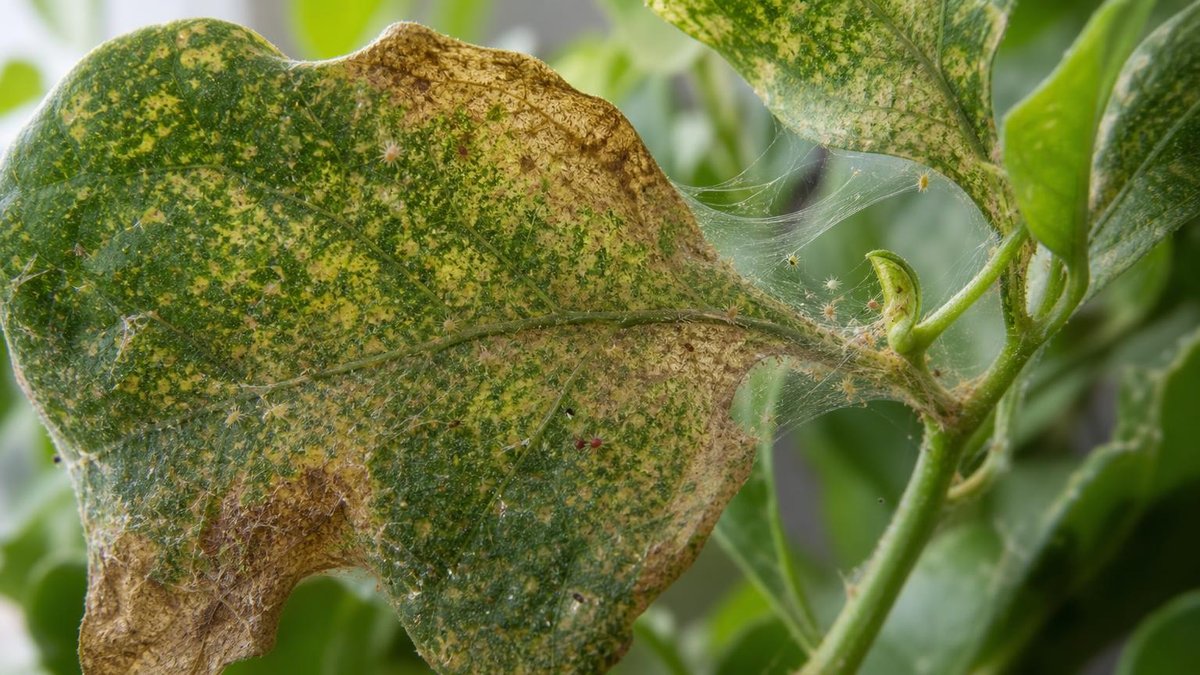
Spider mites are among the most destructive and commonly misidentified pests in home gardens and indoor collections. These arachnids, not true insects, feed by piercing leaf cells and sucking out chlorophyll, leaving behind stippled, discolored foliage that gardeners often mistake for nutrient deficiency or drought stress. Catching the early signs of spider mites makes the difference between a quick intervention and a plant-wide epidemic.
This guide covers identification, the full spider mite life cycle, evidence-based treatments, and prevention protocols for both outdoor and indoor growing environments.
What spider mites are and why they thrive
Spider mites belong to the family Tetranychidae, a group of arachnids closely related to spiders and ticks. The two-spotted spider mite (Tetranychus urticae) and the carmine spider mite (Tetranychus cinnabarinus), often called red spider mites, cause the majority of damage in temperate growing regions. Understanding what are spider mites matters because their arachnid biology makes them resistant to many standard insecticides that target insect nervous systems.
These pests reproduce rapidly under warm, dry conditions. The University of California Statewide Integrated Pest Management Program documents that two-spotted spider mites can complete a generation in as little as 5 to 7 days at 27°C (81°F), with females laying 10 to 20 eggs daily throughout their 2 to 4 week lifespan. This exponential growth explains why populations explode during heated indoor winters and dry summer spells.
Spider mites produce fine silk webbing for protection and dispersal, a trait that distinguishes them from other piercing-sucking pests. The webbing shelters eggs and molting nymphs while allowing wind-borne dispersal to neighboring plants.
What do spider mites look like: identification guide
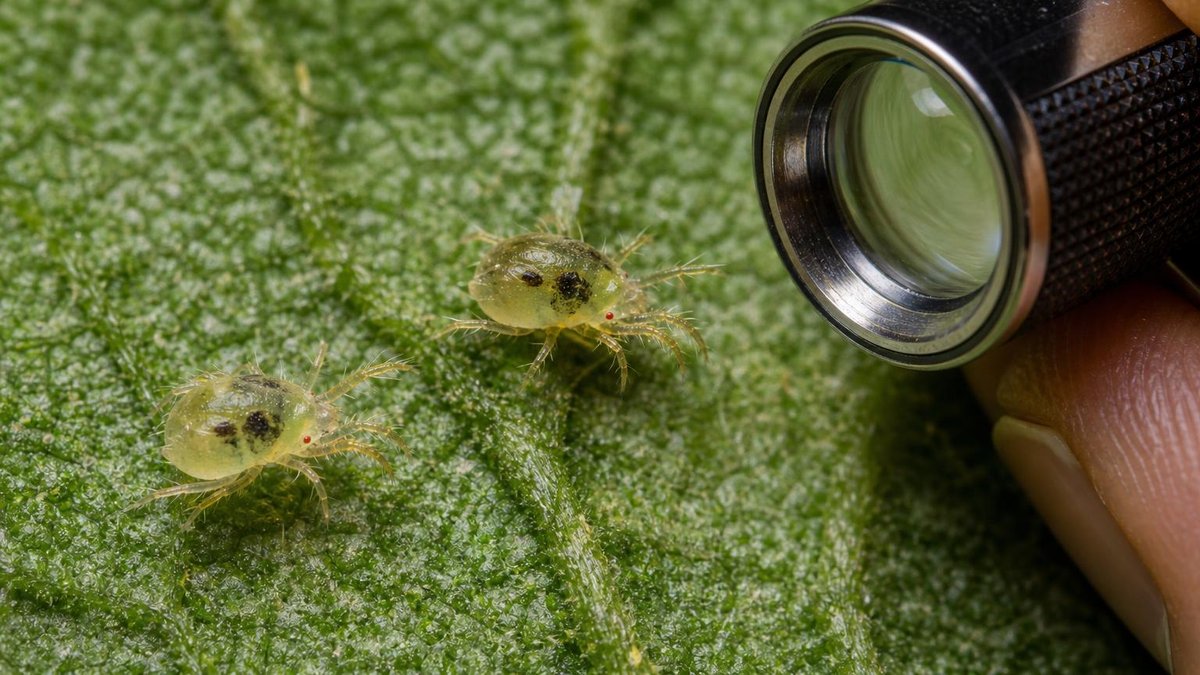
Adult spider mites measure approximately 0.4 to 0.5 mm (1/50 inch), making individual specimens nearly invisible without magnification. Their appearance varies by species and season:
- Two-spotted spider mites: Pale green to yellowish with two distinct dark spots on the abdomen; these spots are accumulated body contents visible through the cuticle
- Carmine spider mites: Red to reddish-orange, often called tiny red spider mites; color intensifies with cooler autumn temperatures
- European red mite (Panonychus ulmi): Dark red with white spots at the base of six to eight dorsal hairs
- Broad mite (Polyphagotarsonemus latus): Smaller at 0.2 mm, more translucent; often misidentified as white spider mites on young growth
Proper identification requires 10x to 20x magnification. Hold a white sheet of paper beneath suspect foliage and tap sharply; dislodged mites appear as moving specks. Alternatively, the Royal Horticultural Society recommends placing a strong light source behind leaves to silhouette active mites against the glow.
Spider mites vs aphids identification presents a common challenge. Aphids are larger (1 to 3 mm), have six legs as adults, and typically cluster on tender new growth. Spider mites have eight legs, scatter across leaf surfaces, and produce characteristic webbing. Aphids also excrete honeydew, which attracts sooty mold; spider mites do not.
Early signs of spider mites and damage progression
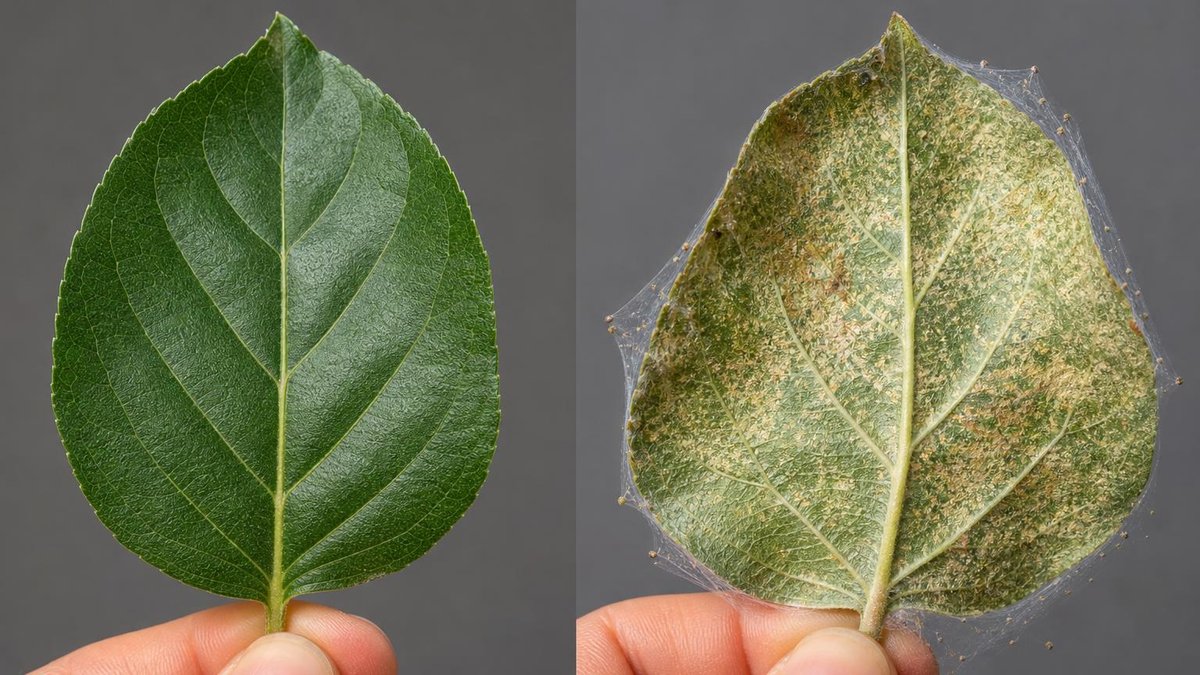
Spider mite damage on leaves follows a predictable sequence that rewards vigilant inspection. The initial symptom, fine stippling or pinprick yellow spots, results from individual cell destruction. As feeding continues, leaves bronze or silver, particularly on the undersides where mites congregate. Severe infestations cause leaf drop, shoot dieback, and in extreme cases, plant death.
The following table compares damage stages with corresponding action thresholds, based on extension guidelines from the University of California and RHS pest management protocols.
| Damage stage | Visible symptoms | Action required |
|---|---|---|
| Incipient | Light stippling on lower/older leaves; no webbing visible to naked eye | Monitor with magnification; increase humidity; consider biological control introduction |
| Established | Obvious stippling spreading to new growth; fine webbing on leaf undersides and between stems | Implement spider mites treatment with horticultural oil or insecticidal soap; isolate affected plants |
| Severe | Dense webbing covering leaves and stems; bronze or silver discoloration; leaf drop beginning | Aggressive chemical intervention or discard plant to protect collection; professional consultation advised for valuable specimens |
Regular inspection of leaf undersides, particularly on plants kept in warm, dry conditions, remains the most reliable detection method. For apartment growers, our guide on how to prevent pest infestations in apartment plants outlines systematic inspection routines that catch problems before visible damage appears.
Spider mites treatment: evidence-based methods
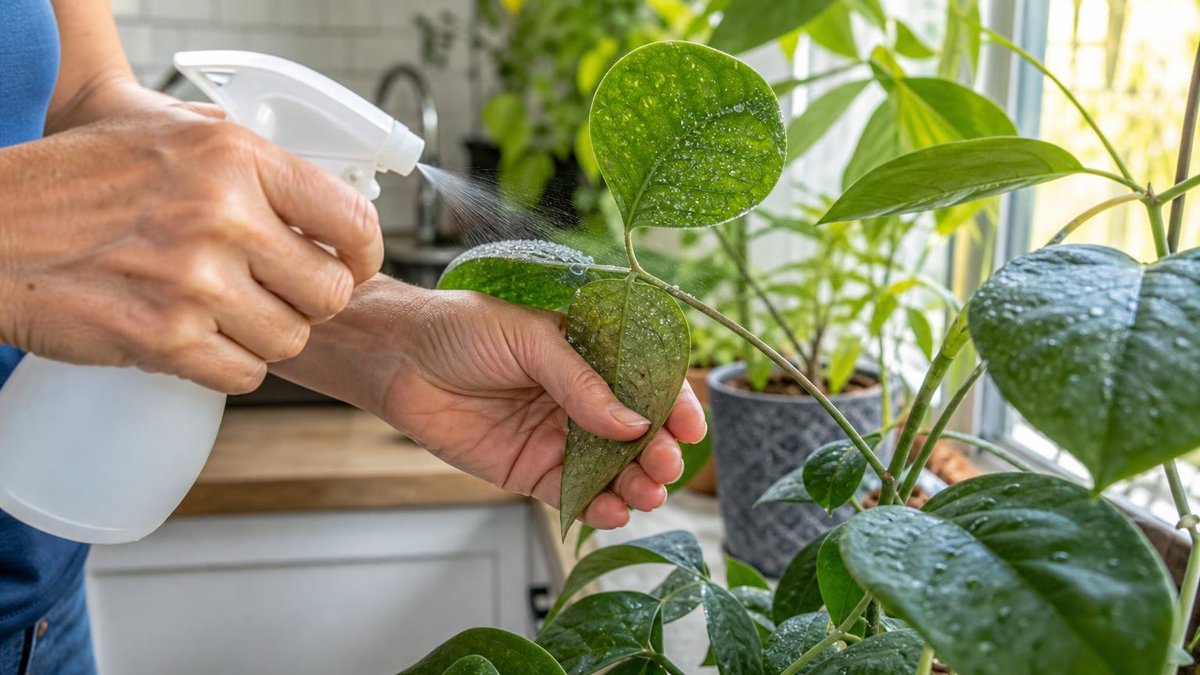
Effective spider mites treatment requires matching the intervention to infestation severity, plant sensitivity, and growing environment. No single approach works universally; integrated pest management combining multiple tactics yields the best outcomes.
Mechanical and cultural controls
Water sprays physically dislodge mites and disrupt webbing. The RHS recommends directing a firm jet of water at leaf undersides every 3 to 5 days for 2 to 3 weeks, which reduces populations by 50 to 90 percent without chemicals. This method suits robust outdoor plants and hardy houseplants; avoid on African violets, succulents, and other water-sensitive species.
Increasing ambient humidity above 60 percent significantly slows mite reproduction. Grouping plants, using humidity trays, or running humidifiers creates microclimates less favorable to spider mite establishment. Temperature reduction below 20°C (68°F) where practical also extends generation time.
Biological control agents
Predatory mites offer effective, sustainable suppression for greenhouse and indoor collections. Phytoseiulus persimilis, a specialist predator of two-spotted spider mite, consumes 5 to 20 eggs or adults daily and reproduces faster than its prey at humidities above 60 percent. The University of California IPM program notes that P. persimilis requires established mite populations to sustain itself, making it unsuitable for purely preventive use.
Generalist predators including Amblyseius andersoni and Neoseiulus californicus tolerate lower humidity and prey availability better, though at reduced consumption rates. These biological agents work best when introduced at the first sign of infestation.
Horticultural oils and insecticidal soaps
Horticultural oils, including petroleum-based superior oils and plant-derived neem oil, smother mites and eggs by blocking spiracles. For neem oil spider mites indoor plants applications, use clarified hydrophobic neem oil at 0.5 to 2.0 percent concentration, applying thoroughly to leaf undersides. Neem’s azadirachtin content also acts as an insect growth regulator, disrupting molting and feeding. Drawback: neem oil leaves visible residue on glossy foliage and has a strong odor that persists 24 to 48 hours.
The best insecticidal soap for spider mites contains potassium salts of fatty acids at 1 to 2 percent active ingredient. These soaps penetrate mite cuticles, causing rapid desiccation. Our detailed guide on how to safely use insecticidal soap on indoor plants covers dilution ratios, application timing, and plant sensitivity testing. Drawback: insecticidal soaps have no residual activity and require thorough coverage; they also cause phytotoxicity on certain ferns, succulents, and newly opened tender growth.
Apply oils and soaps in early morning or evening, never in direct sun or above 32°C (90°F), to prevent leaf burn. Repeat applications every 5 to 7 days for 2 to 3 cycles to target successive generations.
Acaricides and systemic options
Severe infestations on valuable plants may require synthetic acaricides. Abamectin, bifenazate, and spiromesifen target mite-specific physiological pathways with lower toxicity to beneficial insects. However, spider mites rapidly develop resistance; rotating chemical classes between applications is essential. These products are generally restricted to outdoor or greenhouse use in many jurisdictions.
Systemic insecticides containing imidacloprid effectively control sap-feeding insects but are specifically contraindicated for spider mites. Research from Purdue University Extension demonstrates that imidacloprid can increase spider mite populations by eliminating predatory insects and potentially stimulating mite reproduction. Avoid this active ingredient for mite management.
How to kill spider mites with homemade approaches
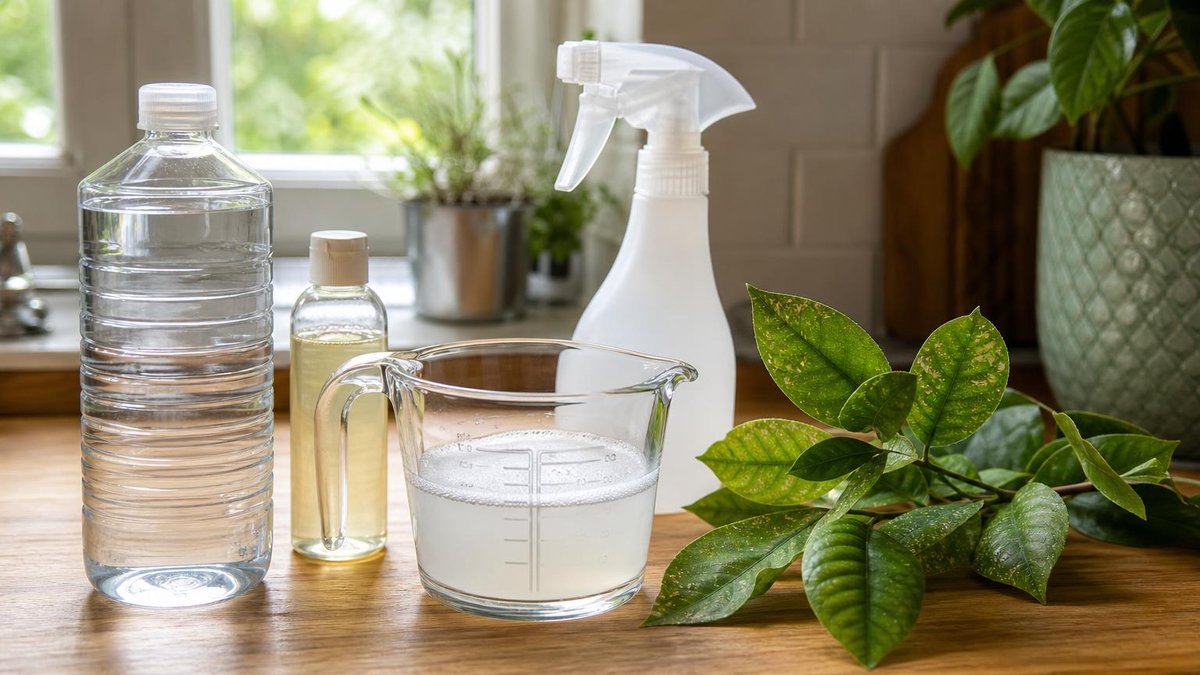
Many gardeners seek to get rid of spider mites naturally before resorting to commercial products. A homemade spider mite spray recipe based on diluted dish soap (1 tablespoon mild liquid soap per liter of water, 1 teaspoon per quart) can reduce light infestations when applied thoroughly. However, household detergents vary widely in composition; some contain degreasers and fragrances that damage plant cuticles. Test on a single leaf and wait 48 hours before full application.
Our resource on natural remedies for indoor plant pests provides additional formulations and application protocols for organic-minded growers. Drawback: homemade sprays lack standardized active ingredient concentrations and may be less effective or more phytotoxic than commercial formulations.
Spider mite life cycle control and prevention
Breaking the spider mite life cycle requires understanding its stages: egg, larva (six-legged), protonymph, deutonymph, and adult (eight-legged). Each active stage feeds; eggs and molting nymphs within webbing are protected from many contact treatments. This explains why single applications fail and why treatment intervals of 5 to 7 days align with generation time.
Prevent spider mites houseplants through these evidence-based practices:
- Quarantine new plants for 14 days minimum; inspect leaf undersides with magnification before placement near existing collection
- Maintain humidity above 50 percent through grouping, trays, or humidifiers; avoid positioning plants near heating vents or air conditioning outlets
- Water consistently according to species needs; drought-stressed plants produce higher nitrogen concentrations that attract mites
- Dust leaves monthly; dust accumulation creates favorable microhabitats and impedes natural predator activity
- Rotate preventive sprays of horticultural oil or insecticidal soap every 3 to 4 weeks during high-risk periods (heated indoor winters, dry summers)
For apartment growers specifically, environmental management often proves more sustainable than chemical intervention. Our guide on how to prevent pest infestations in apartment plants details microclimate adjustments that reduce mite pressure without repeated spraying.
Frequently asked questions
Identification and biology
What are spider mites and why are they hard to see?
Spider mites are arachnids in the family Tetranychidae, measuring 0.4 to 0.5 mm as adults. Their minute size and habit of feeding on leaf undersides makes them easy to overlook until population-driven webbing and stippling become obvious. A 10x hand lens or smartphone macro lens reveals their eight-legged, oval bodies and distinctive movement pattern.
How do spider mites differ from aphids?
Spider mites have eight legs, produce silk webbing, and cause stippled leaf damage without excreting honeydew. Aphids are larger insects with six legs, cluster on new growth, and secrete sticky honeydew that promotes sooty mold. Spider mites thrive in dry conditions; aphids tolerate wider humidity ranges.
Treatment and prevention
What is the best spider mites treatment for a severe indoor infestation?
For severe infestations, combine immediate physical removal (showering plants, pruning heavily damaged tissue) with thorough application of horticultural oil or insecticidal soap, repeated every 5 to 7 days for three cycles. Introduce Phytoseiulus persimilis predatory mites if humidity supports their establishment. Isolate affected plants and inspect neighbors daily. Discard plants where damage exceeds 50 percent of foliage and root health is compromised.
Can I use neem oil on all my houseplants?
Neem oil is generally safe for most foliage plants at proper dilution, but avoid use on ferns, succulents, and plants with hairy or waxy leaves that trap oil and cause phytotoxicity. Always test on a single leaf first. Neem oil degrades in UV light and has no residual activity; reapplication every 5 to 7 days is necessary for ongoing control.
How do I make an effective homemade spider mite spray?
Mix 1 tablespoon mild liquid soap (without degreasers or antibacterial agents) in 1 liter of water (1 teaspoon per quart). Add 1 tablespoon vegetable oil to improve adherence if desired. Apply thoroughly to leaf undersides until runoff. Repeat every 5 to 7 days. This formulation lacks the standardized potency and surfactant optimization of commercial insecticidal soaps; monitor closely for efficacy and phytotoxicity.
What humidity level prevents spider mites?
Maintaining relative humidity above 50 to 60 percent significantly reduces spider mite reproduction and survival. At 60 percent humidity and 20°C (68°F), two-spotted spider mite egg hatch drops and generation time extends. Use humidifiers, pebble trays, or plant grouping to achieve this in heated indoor environments where winter humidity often falls below 30 percent.
Why did my spider mite problem return after treatment?
Surviving eggs, protected nymphs within webbing, and reinfestation from untreated neighboring plants commonly cause recurrence. A single female can restart a population. Complete three full treatment cycles at 5 to 7 day intervals, treating all plants in the vicinity, to break the life cycle. Eggs are particularly resistant to soaps and oils; biological control agents that consume eggs offer advantages here.
Sources
- Royal Horticultural Society. (2024). Spider mite. https://www.rhs.org.uk/biodiversity/spider-mite
- University of California Statewide Integrated Pest Management Program. (2024). Twospotted spider mite. https://ipm.ucanr.edu/PMG/PESTNOTES/pn7405.html
- University of California Statewide Integrated Pest Management Program. (2024). Predatory mites. https://ipm.ucanr.edu/PMG/PESTNOTES/pn74150.html
- Purdue University Extension. (2023). Spider mites on ornamentals and conifers. https://www.extension.purdue.edu/extmedia/ent/ent-42.html
- Royal Horticultural Society. (2024). Biological pest control. https://www.rhs.org.uk/biodiversity/biological-controls
